
Cleanroom Wipes, ESD Garments & Swabs Supplier
1
Reliable quality
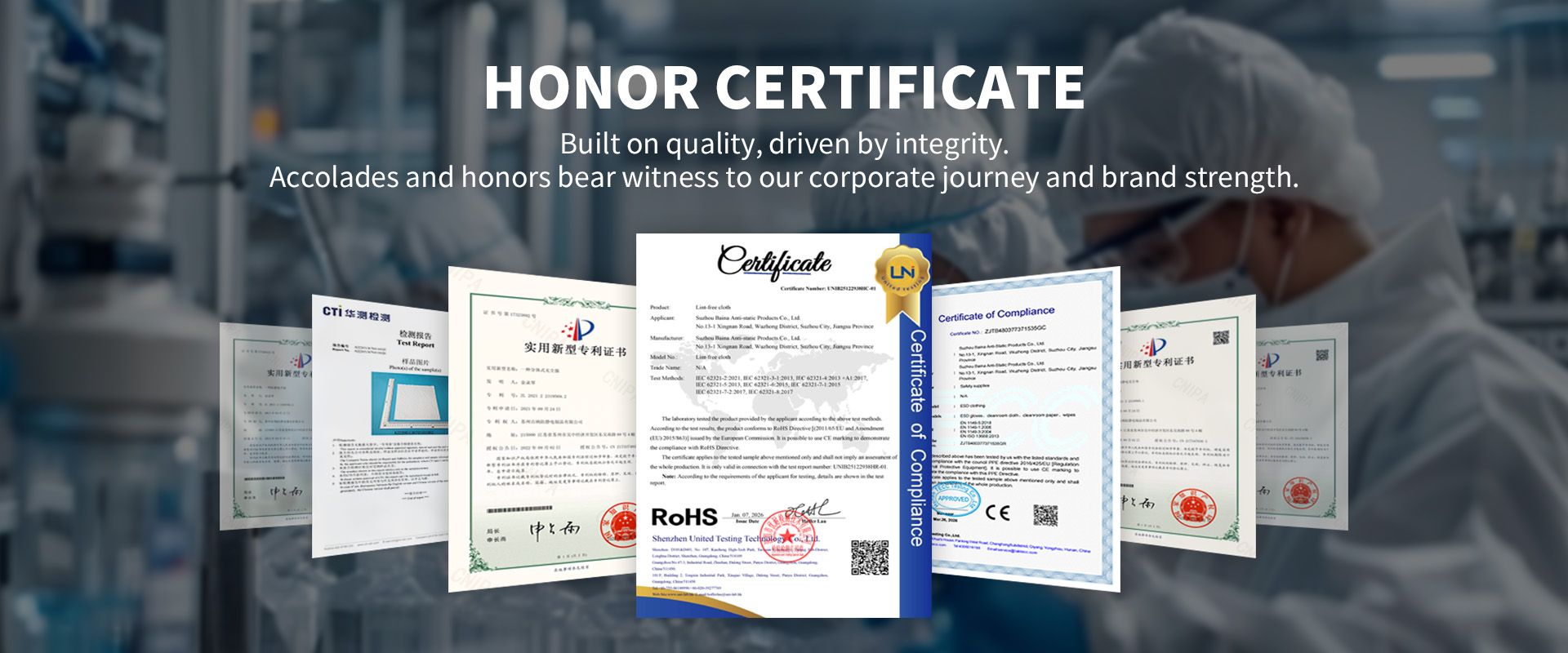
We hold international standard certifications. This ensures worry-free market access for your business. Our products meet extreme performance indicators. We also provide comprehensive cleanroom management solutions.
2
Deep customization
Our materials science experts specialize in form and packaging customization. Therefore, we can meet diverse needs for your projects. Moreover, we provide precise customization services tailored to your requirements.
3
Rapid Response
We provide complete product testing reports and material certifications. In addition, we offer production batch number traceability. Furthermore, our professional technical support ensures smooth operations. As a result, you achieve sustainable total cost of ownership (TCO) optimization.
Cleanroom Wipes FAQ - You Ask, We Answer
Invisible dust creates visible risks. Therefore, choosing professional dust-free wiping materials matters. However, this is not just about picking a product. Instead, it represents a firm commitment to yield, efficiency, and reliability.
What Is The Difference Between Lint‑Free Cloth And Lint‑Free Paper?
Material & structure
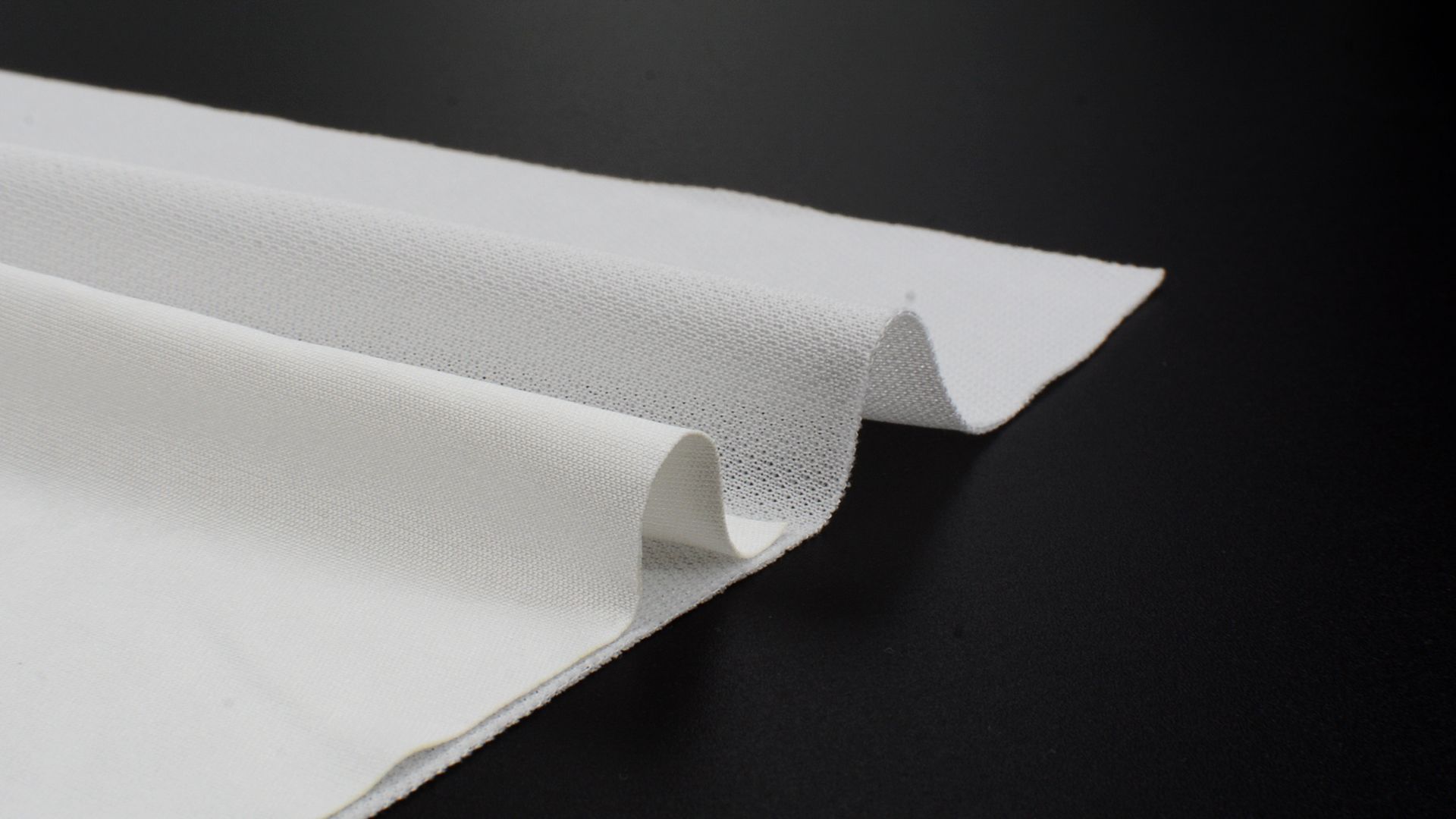
Dust-free cloths are typically woven from polyester fibers. As a result, they feel soft and remain durable. Moreover, they offer excellent wiping capabilities. In addition, you can wash and reuse them multiple times.
Production & usage
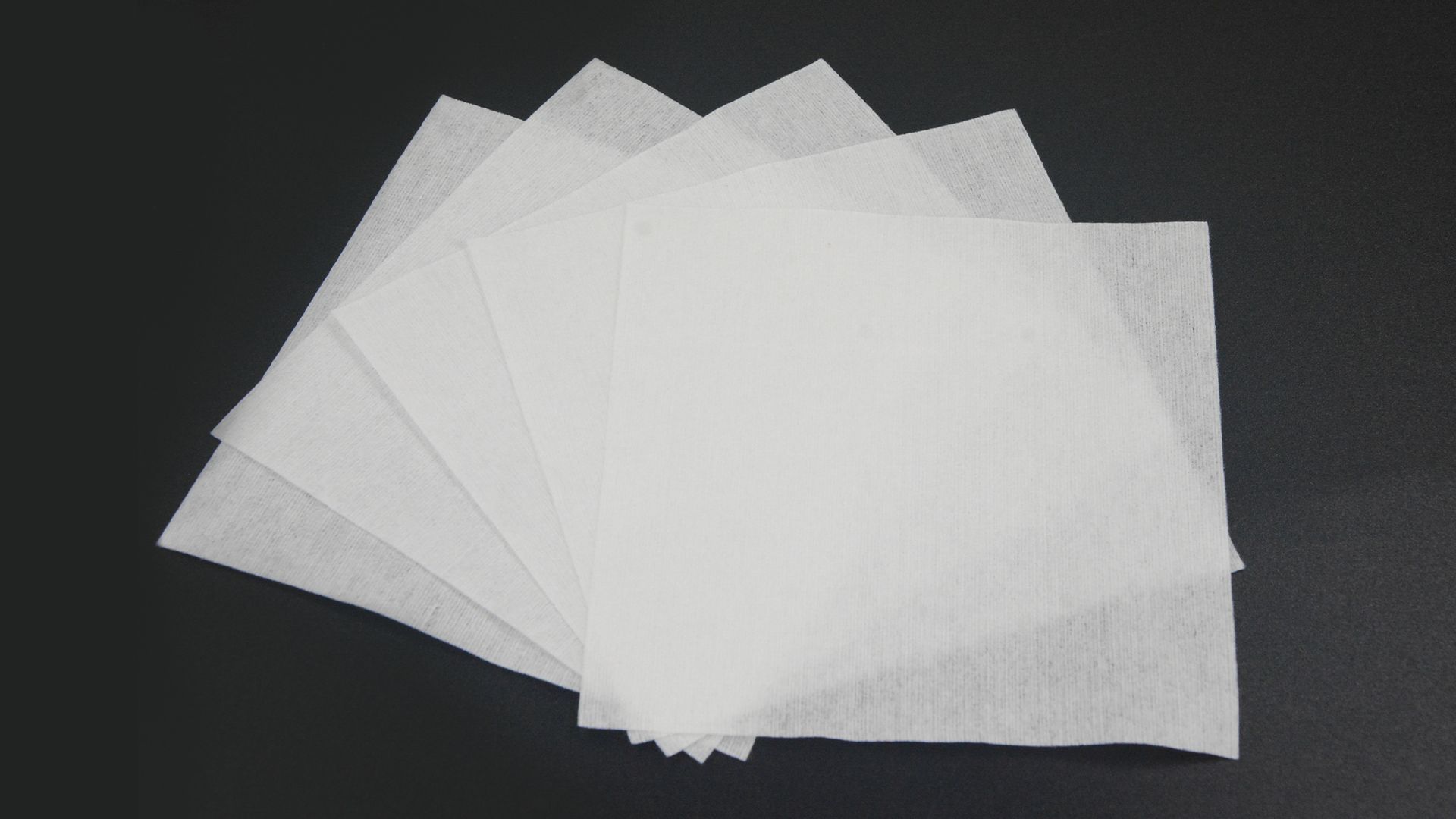
Dust-free paper uses wood pulp or chemical fibers. It employs airlaid technology during production. Consequently, its texture resembles standard paper. For example, manufacturers use it for wrapping and padding. Alternatively, it works well for single-use wiping. However, despite its high cleanliness, you cannot reuse it.
Why Is It Necessary To Use Lint‑Free Cloths/Papers In A Cleanroom?
The problem with ordinary materials
To begin with, ordinary cleaning cloths and paper towels shed a large amount of fibers and particles. Moreover, they may contain chemical contaminants such as silicone oil. Thus, they are unsafe for cleanroom use.
The advantage of lint‑free products
In contrast, dust‑free cloths and papers undergo special cleaning and processing. This means they feature extremely low particle shedding, no fiber debris, and anti‑static properties. As a result, they effectively prevent secondary contamination and meet the stringent requirements for microscopic contamination control in cleanrooms.
Can Lint‑Free Cloths Be Washed And Reused?
Yes – but only under strict conditions
First of all, high‑quality cleanroom wipes are indeed designed for repeated washing. However, they must be washed, dried, and packaged using pure water and cleanroom‑specific detergents in a strictly controlled cleanroom environment. Otherwise, their key performance properties – such as liquid absorption rate and particle generation – will degrade.
What happens with improper washing?
For example, ordinary industrial or household washing will completely destroy their cleanroom properties. Therefore, always follow professional cleaning protocols if you intend to reuse lint‑free cloths.
How do I choose the right cleanroom wipes or paper for my process?
Check cleanliness level
First, consider your environment’s cleanliness requirements. You need to choose wipes with low ion residue and low particle release. Therefore, always match the product’s cleanliness level to your cleanroom class.
Evaluate material and structure
Next, look at liquid absorption and abrasion resistance. Also check the fineness of the material – for example, knitted, woven, or non‑woven fabric. As a result, you will ensure effective wiping without surface damage. Verify solvent compatibility
Furthermore, make sure the wipe material can withstand the chemical solvents you use. Common solvents include alcohol and acetone. Otherwise, the wipe may degrade and cause contamination.
Select proper packaging
Finally, choose the right packaging to maintain cleanliness before use. Options include vacuum bags or cleanroom bags. Consequently, the product stays clean until you open it.
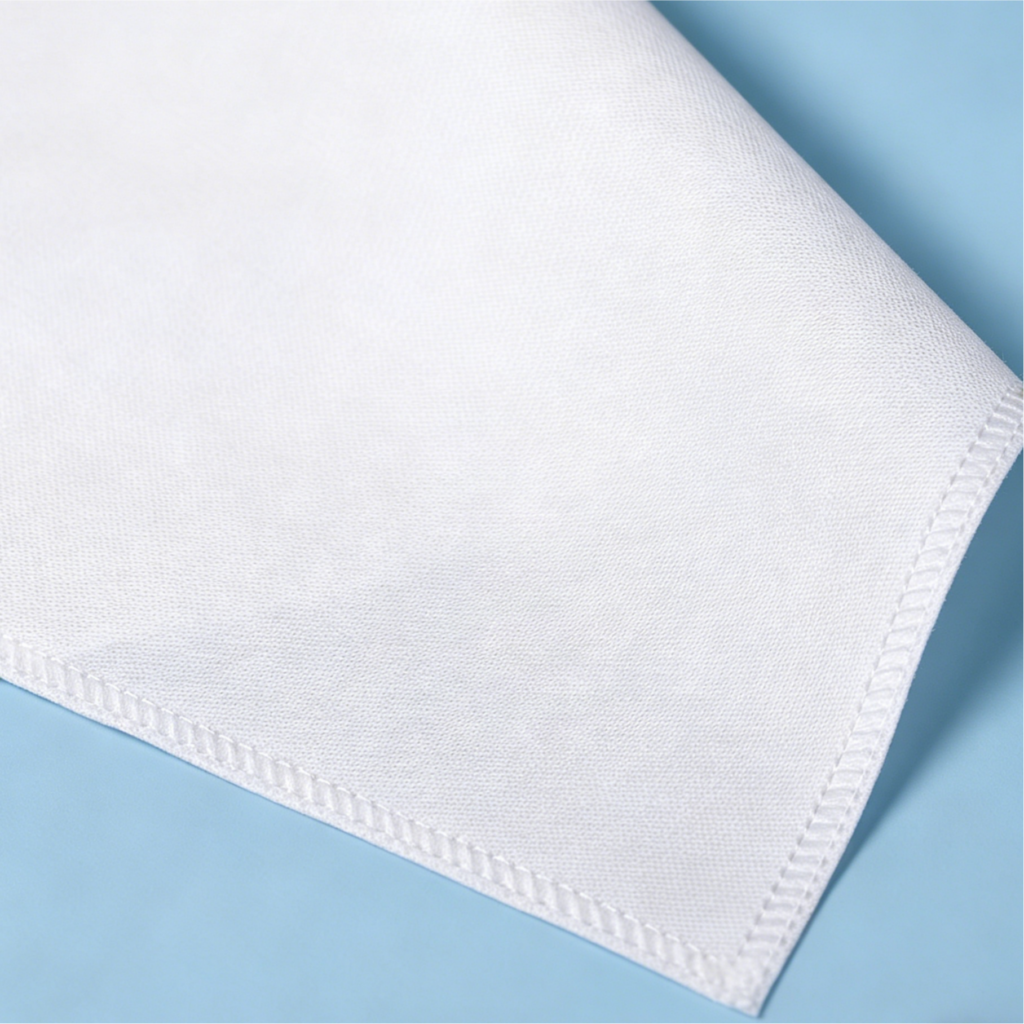
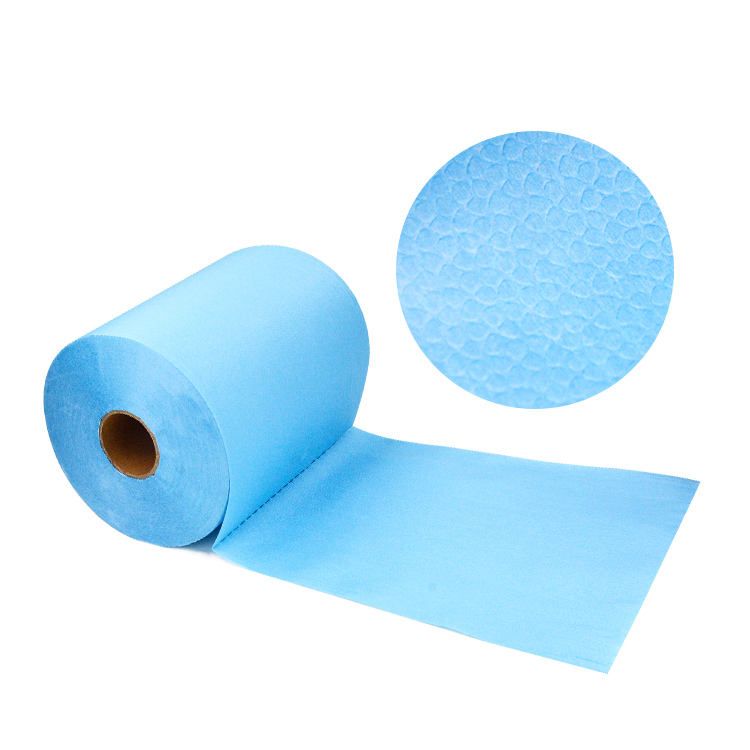
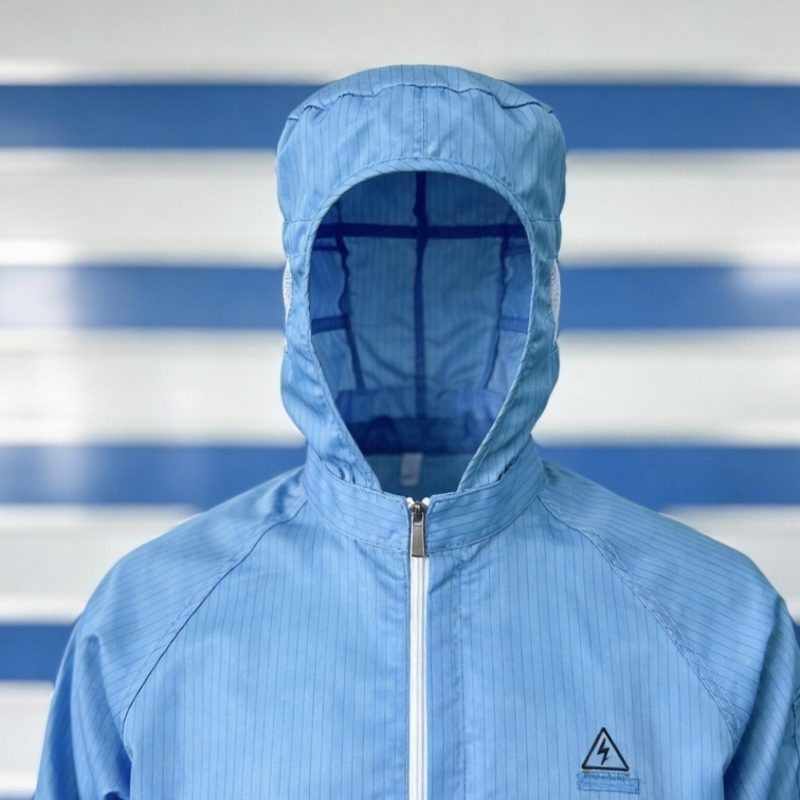
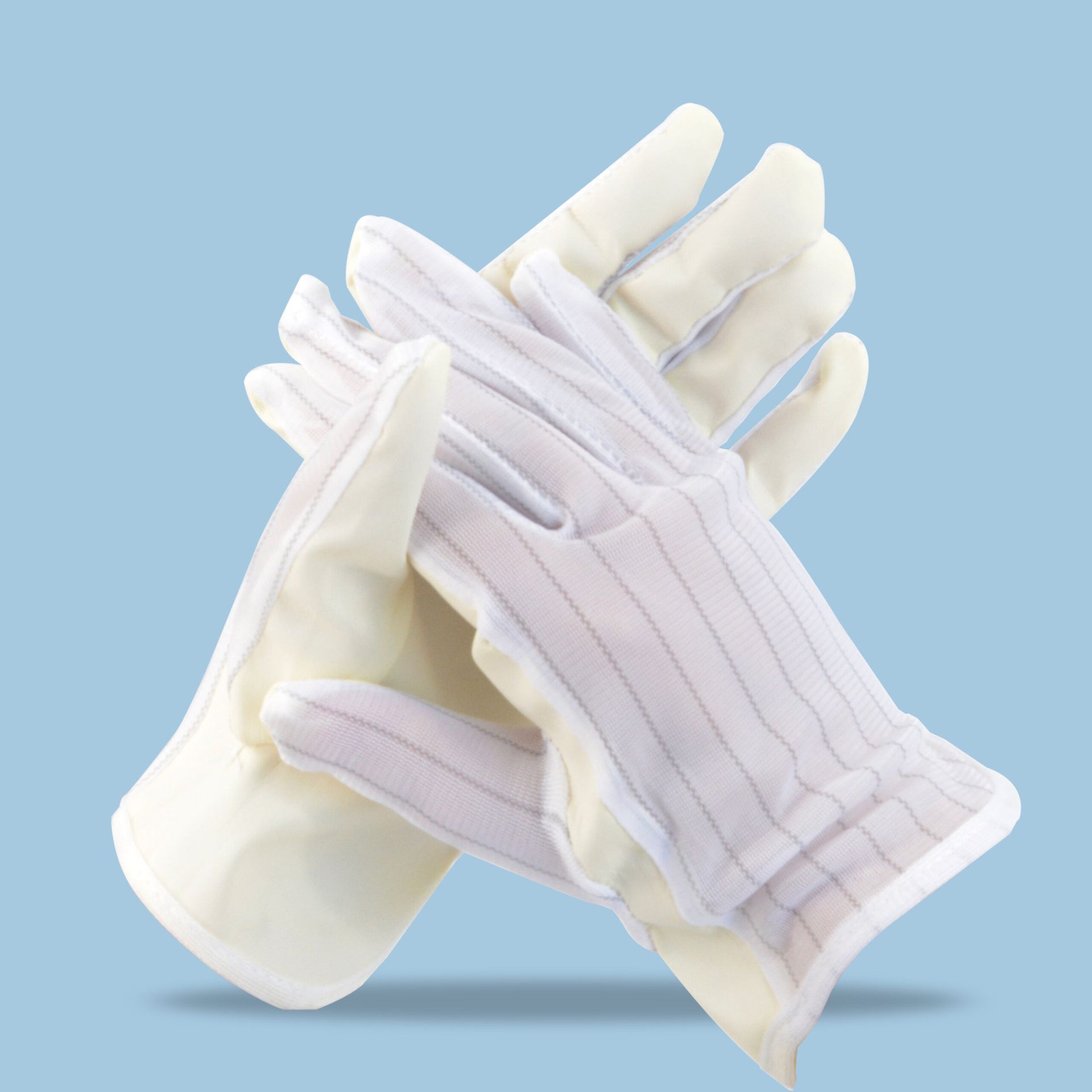
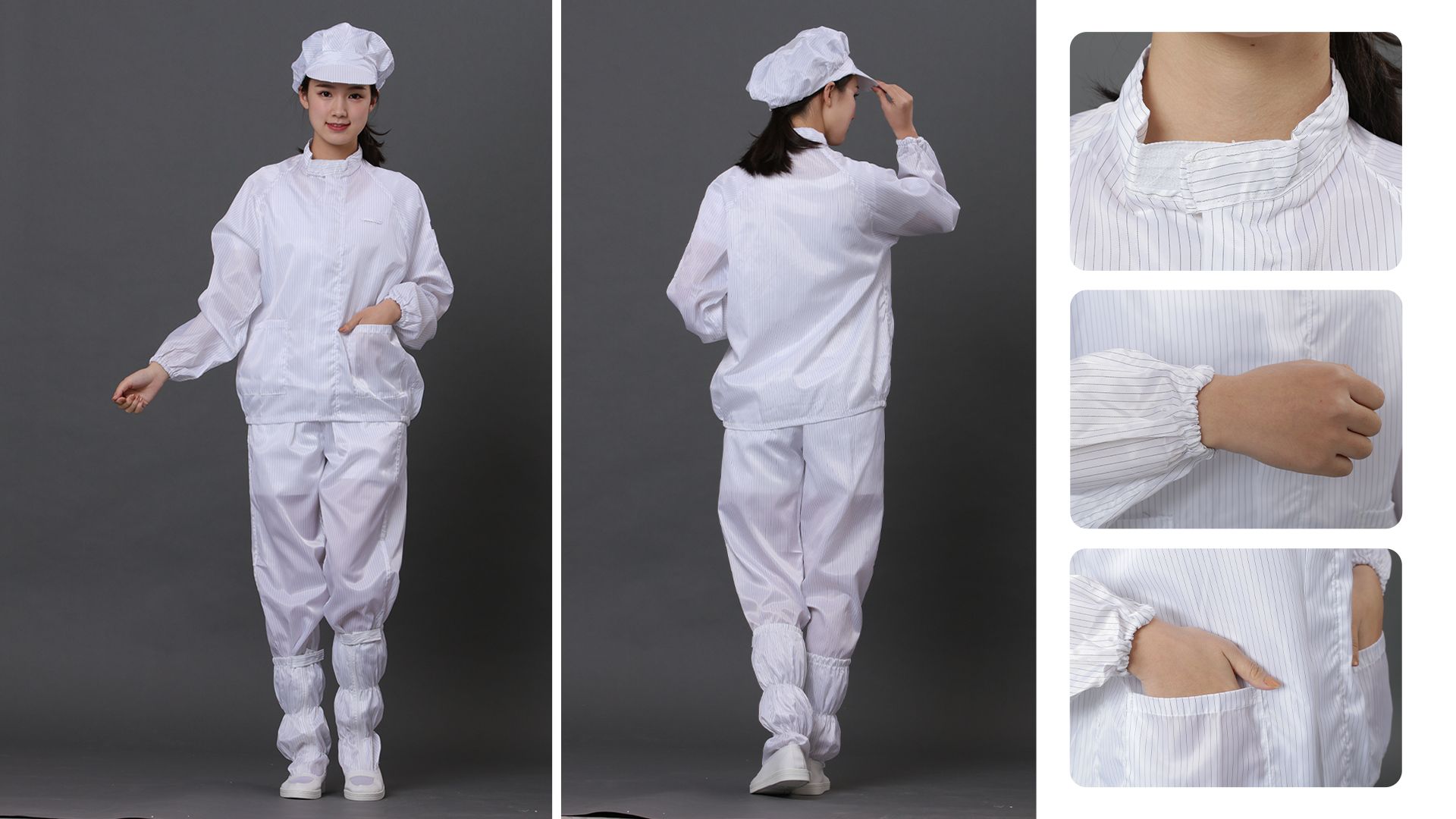
In high-end manufacturing and scientific research fields such as electronics, semiconductors, and biopharmaceuticals, cleanroom wipes, cleanroom paper, and antistatic clothing together constitute the basic system for clean environment control and electrostatic protection.
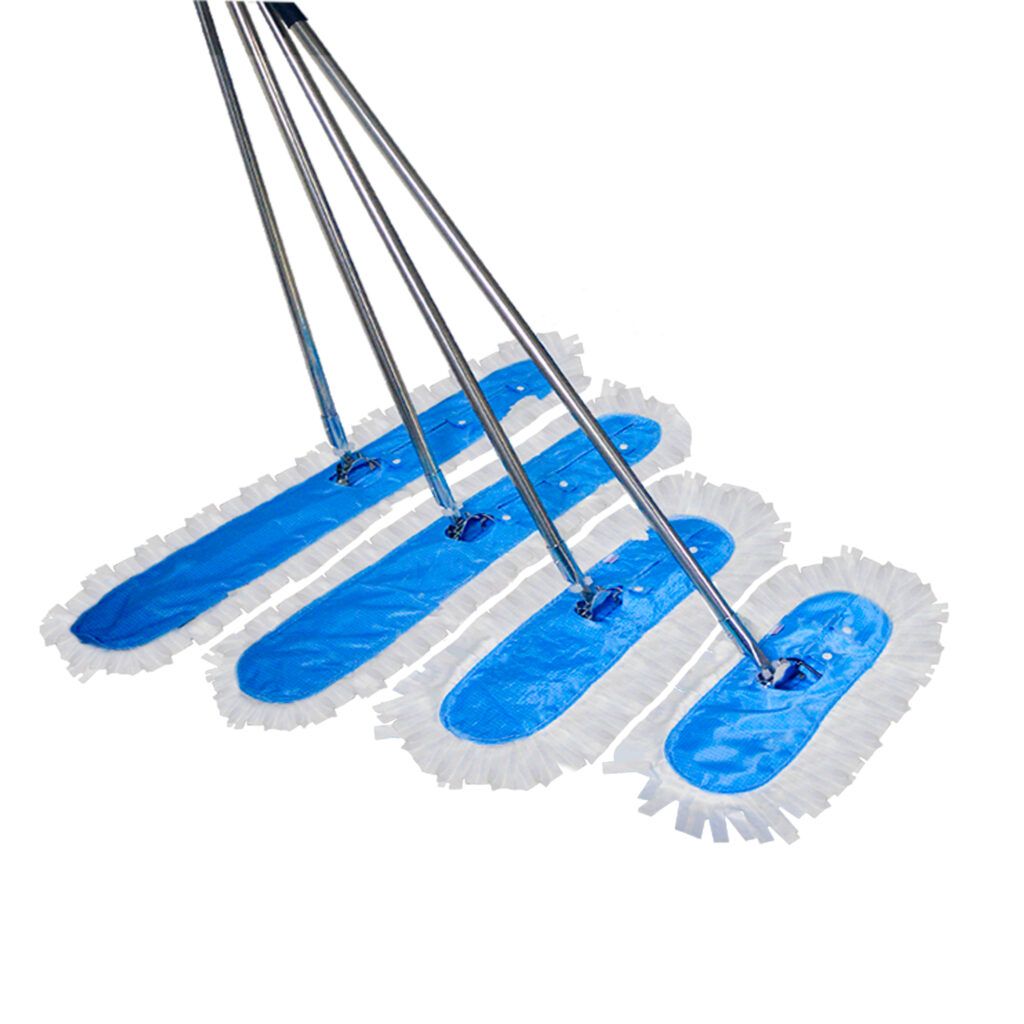
Choose an industry
Select your industry and customize your cleanroom paper and cleanroom cloth requirements.
Why choose customization? Because standard solutions cannot solve your unique problems.
In the world of cleanroom wipes and papers, standard products address common issues, while customized services are the ultimate solution specifically designed for your unique processes, demanding environments, and core challenges.
Full compliance from standard to report
Our products comply with ISO 14644-1 cleanroom standards. They also meet IEST requirements. Moreover, we hold ISO 9001 certification for quality management. In addition, we maintain ISO 14001 for environmental management. As a result, you receive standardized production processes. Furthermore, all products include verifiable SGS test reports.
Ultra‑low leaching for sensitive components
We strictly control LPC (liquid particulate matter). In addition, we monitor NVR (non-volatile residue). Furthermore, we minimize VOC (volatile organic compounds). These values remain far below industry averages. Consequently, your sensitive components receive better protection.
Class 1000+ production from start to finish
Our production environment meets Class 1000 standards. In fact, many areas exceed this requirement. This means every production step occurs in a dust-free environment. For example, spinning and weaving happen in controlled conditions. Similarly, cutting and packaging maintain the same standards. Thus, we completely eliminate secondary contamination risks.
Engineered for Critical Environments – Where Cleanliness Meets Performance
Our wipes are produced in ISO Class 4 (Grade 1) cleanrooms, using laser‑sealed or ultrasonically‑cut edges to eliminate fiber release. Each batch is tested for particle shedding, NVRs, and sorption capacity. We offer tailored fabrics (polyester, knit, microfiber) for cleanroom classes 10–1000, ensuring zero contamination in semiconductor and biopharma processes.
Our dedicated cleanroom support team is available around the clock – by phone, chat, or on‑site. From urgent technical advice (e.g., wipe selection for IPA compatibility) to emergency dispatch of validation samples within two hours, we keep your production line running without interruption.
We tie our success to your yield improvement. Before adoption, we provide free on‑line trials and third‑party contamination reports. Our project‑based collaboration focuses on measurable outcomes: at least a 15% increase in cleaning efficiency or a 20% reduction in cost‑per‑wipe, verified by your own quality data.
Recognised as “Best Cleanroom Supplier” and “Excellence in Technical Service” by industry associations. Our support engineers (averaging 8 years of experience) train your operators, optimise wipe‑usage SOPs, and schedule regular cleanroom audits – helping you pass stringent customer inspections (e.g., ISO 14644, IEST‑RP‑CC004.3).
By engineering high‑density microfibers and multi‑layer nonwoven structures, our wipes clean up to 50% more area per sheet without compromising cleanliness. We offer traceable packaging (RFID/barcode) and pay‑per‑use billing, so you can exactly monitor consumption and recover the premium investment within six months.
Our core team has an average of 12 years in cleanroom consumables, having led standardisation projects for TSMC, BOE, and WuXi AppTec. We don’t just sell wipes – we consult on contamination source mapping, wiping protocol design, and cleanroom layout to maximise every wipe’s value.
Deep services to empower cutting-edge manufacturing industries
We provide core environmental and facility support for high-tech precision manufacturing, focusing on meeting stringent cleanliness, temperature, humidity, and stability requirements. We serve key industry chains such as semiconductor chip manufacturing, new display panels, precision optics, biomedicine, automotive electronics, and new energy, building a stable and reliable foundation for precision manufacturing at every stage from R&D to mass production.
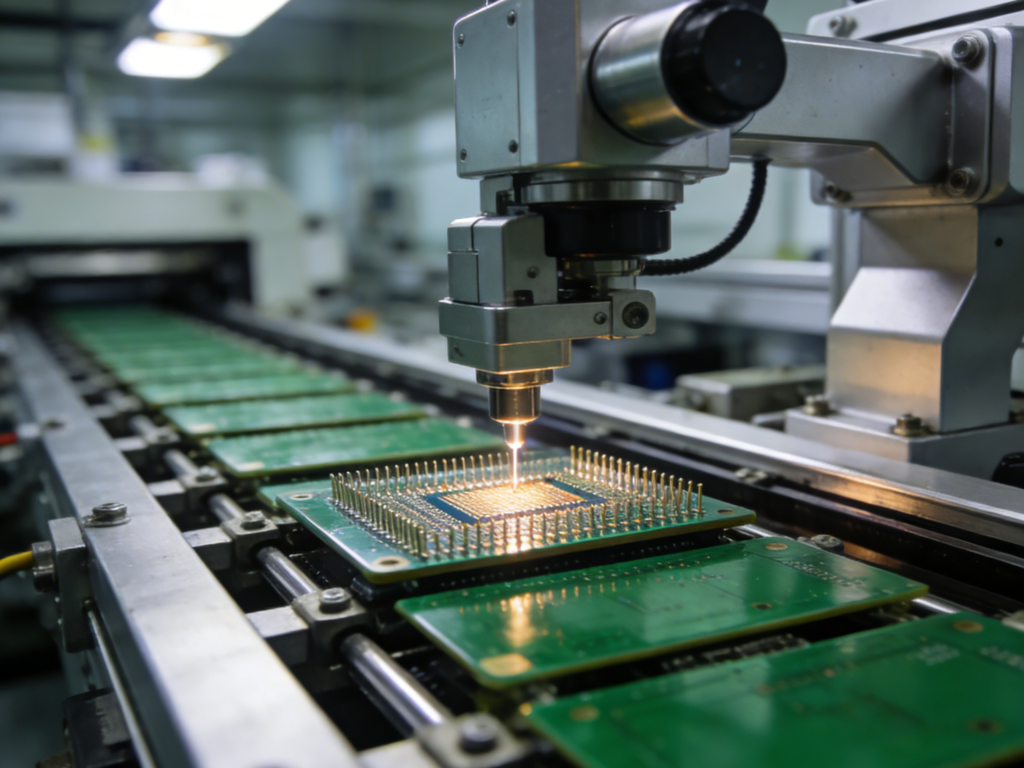
Cleanroom wipes/paper are used for wiping, cleaning, and wrapping in various stages of wafer production lines, lithography machines, and etching equipment.
Flat panel displays and microelectronics
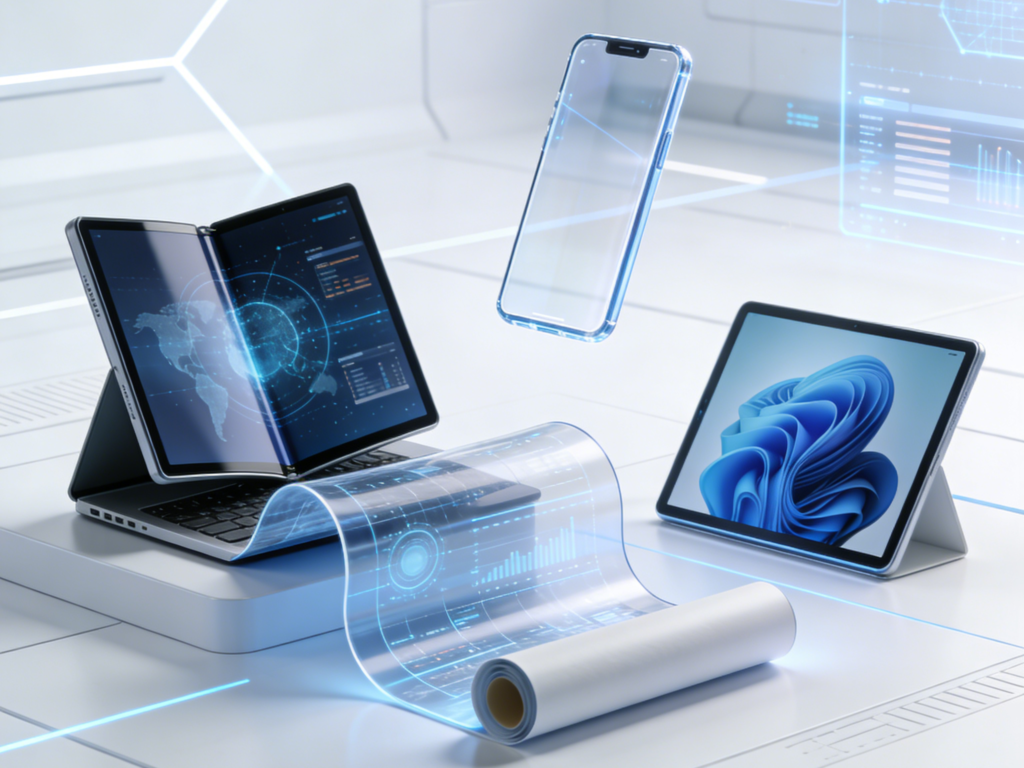
LCD and OLED panel manufacturing and chip packaging and testing (such as SMT assembly lines)
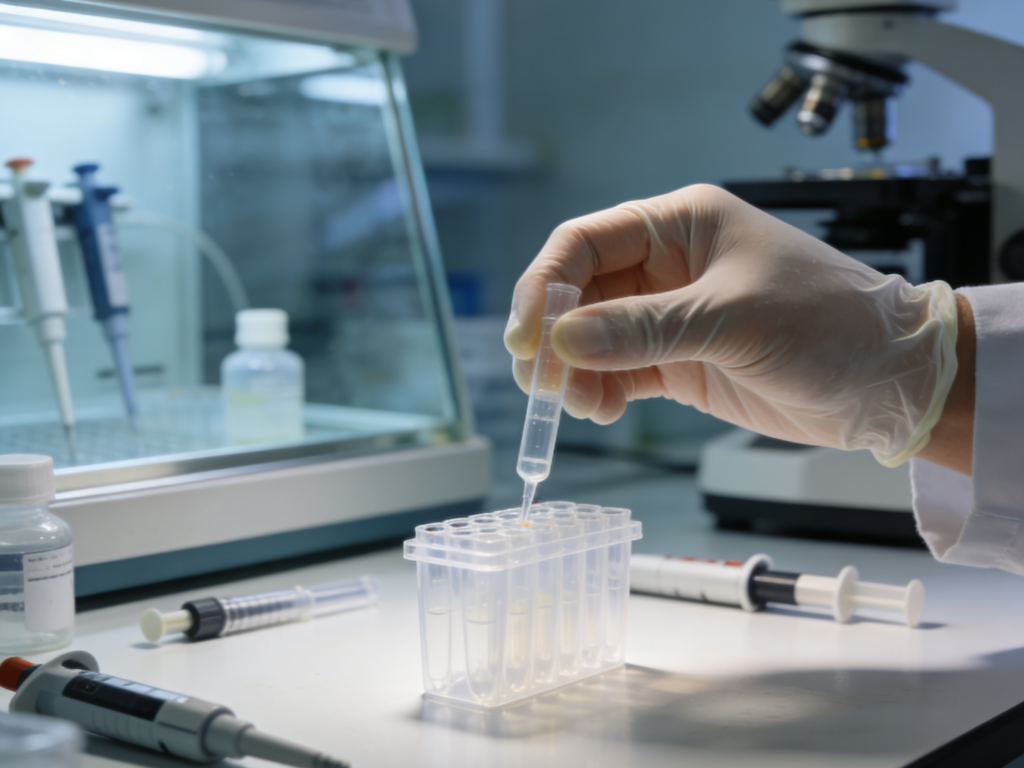
It covers fields such as sterile drug manufacturing, medical device manufacturing, biological laboratories, and cell therapy.
Precision optics and optoelectronics

This includes the production and cleaning of products such as camera lenses, laser devices, optical lenses, and AR/VR lenses.
Cleanroom wipes, with low particle shedding, high absorbency, and solvent resistance, are widely used across many core steps in battery manufacturing.
3C Industry Solutions
This involves the manufacturing and maintenance of precision aircraft components, satellites, gyroscopes, and high-precision machine tools.
Our happy customers
We firmly believe that customer satisfaction is the only measure of quality.
When leaders in precision electronics, cutting-edge laboratories, and new energy manufacturing all praise our cleanroom wipes with actual data – this is not just an evaluation, but the highest recognition of reliability and professional solutions.

Codey Joyner
UrbanAcres, LLC
Cleaning before chip packaging is crucial. We were previously plagued by problems with micro-dust particles and electrostatic discharge (ESD). After switching to your company’s microfiber cleanroom wipes and anti-static packaging, not only did the ion residue tests meet all standards, but their excellent dust-locking structure also ensured that no secondary contamination occurred during the wiping process.

Eren Hill
H&H Legal Partners
We have extremely stringent requirements for consumables used in our sterile workshops. Your company’s sterile-packaged, lint-free wipes fully meet our cleanroom standards. They are ready to use right out of the package, eliminating the hassle and risks of secondary sterilization. The fabric is strong and durable, preventing linting or tearing during equipment cleaning, yet it is also very soft, ensuring no scratches when cleaning the surfaces of precision sensors.

Emanuel Sadler
SavvyMarket
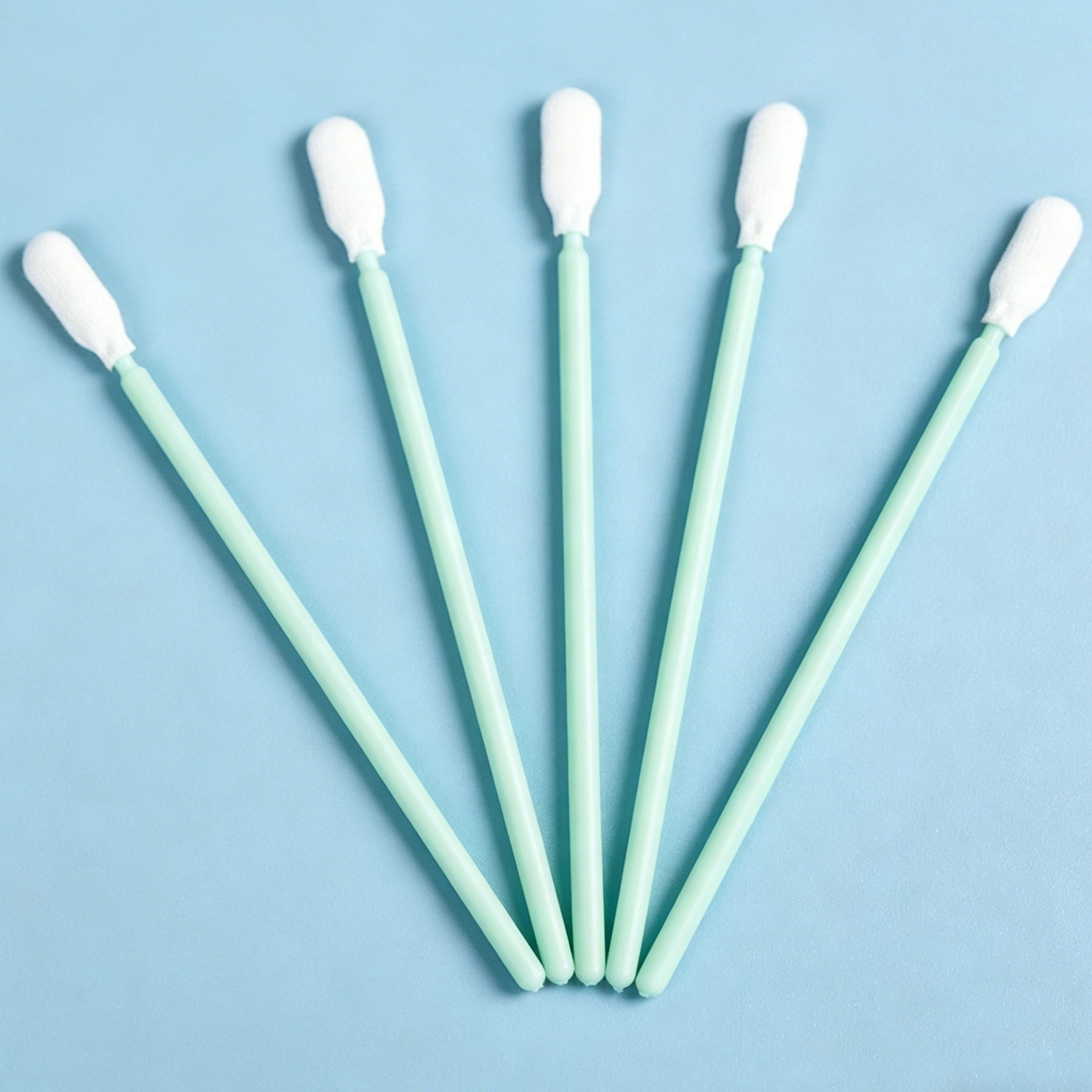
The precision instruments in our laboratory, such as the mass spectrometer inlet, require extremely gentle yet thorough cleaning. Ordinary cotton swabs or cloths always leave behind fibers. Your company’s microfiber lint-free cloths and pointed lint-free swabs have solved this problem.
Recommended Products
Why your choice of cleaning wipes matters
Choosing the right cleaning wipes impacts work efficiency. It also affects product quality. Furthermore, it ensures safety in critical environments. For example, electronics assembly requires precision. Similarly, cleanroom maintenance demands reliability. Medical device cleaning needs sterility. Industrial equipment care requires durability. Therefore, we take your decision seriously.
Only high‑performance, customer‑trusted wipes
We carefully select high-performance cleaning wipes. These products have earned strong customer trust. In addition, every product undergoes rigorous lab testing. Furthermore, we conduct field validation before release.
The right balance – cleanliness, absorbency, abrasion resistance, low linting
As a result, we ensure an optimal balance of four key properties: cleanliness, absorbency, abrasion resistance, and low linting. This means you don’t have to trade off one benefit for another.
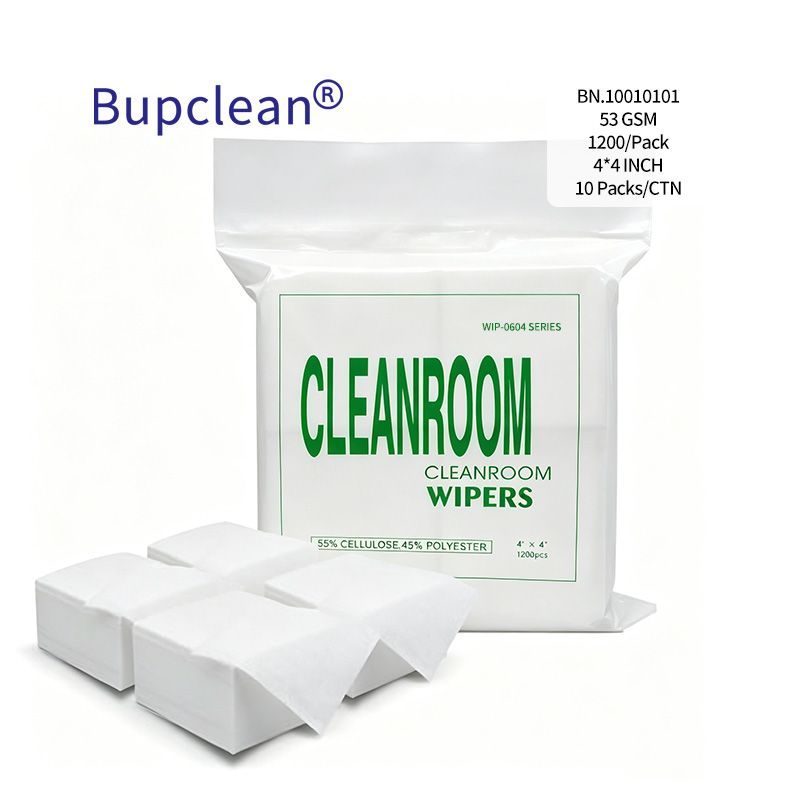
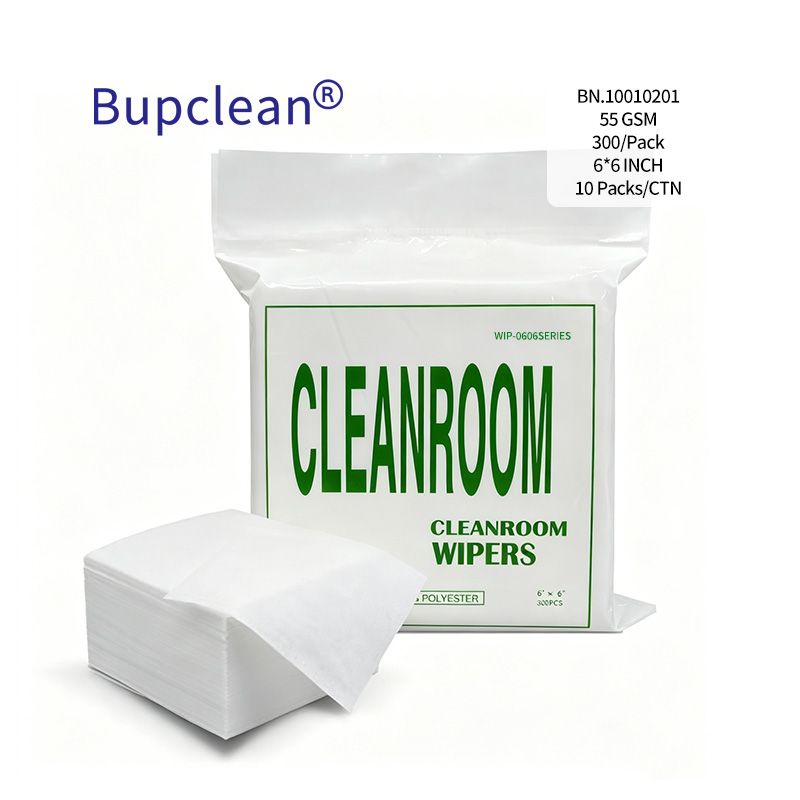
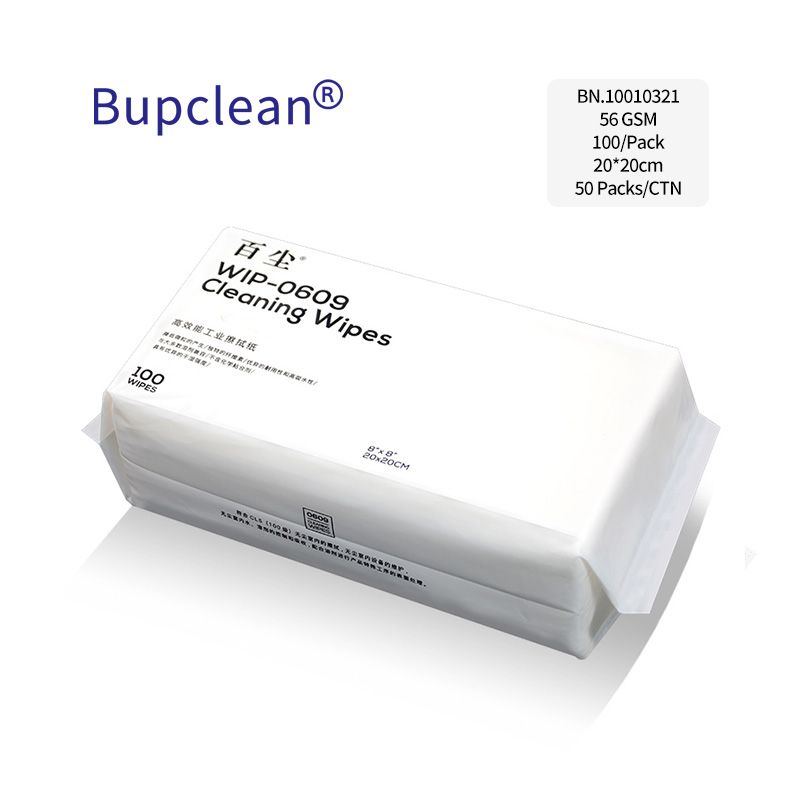
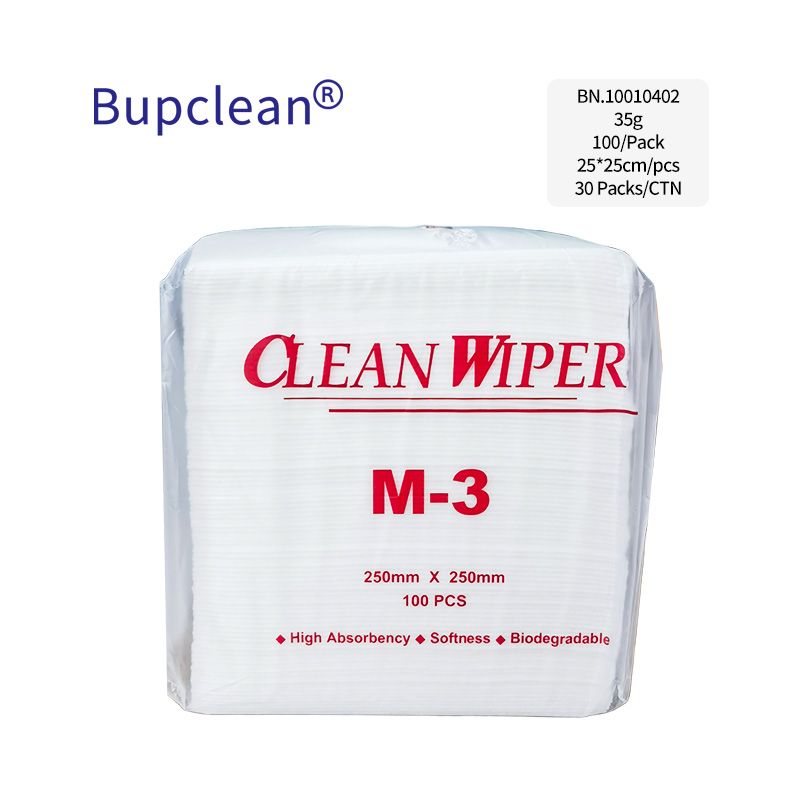
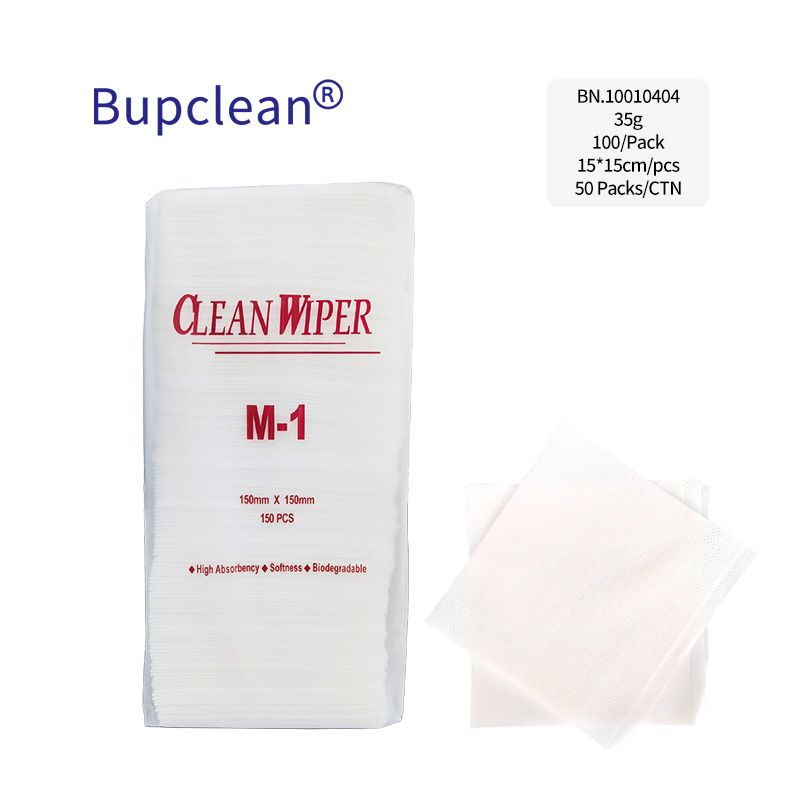
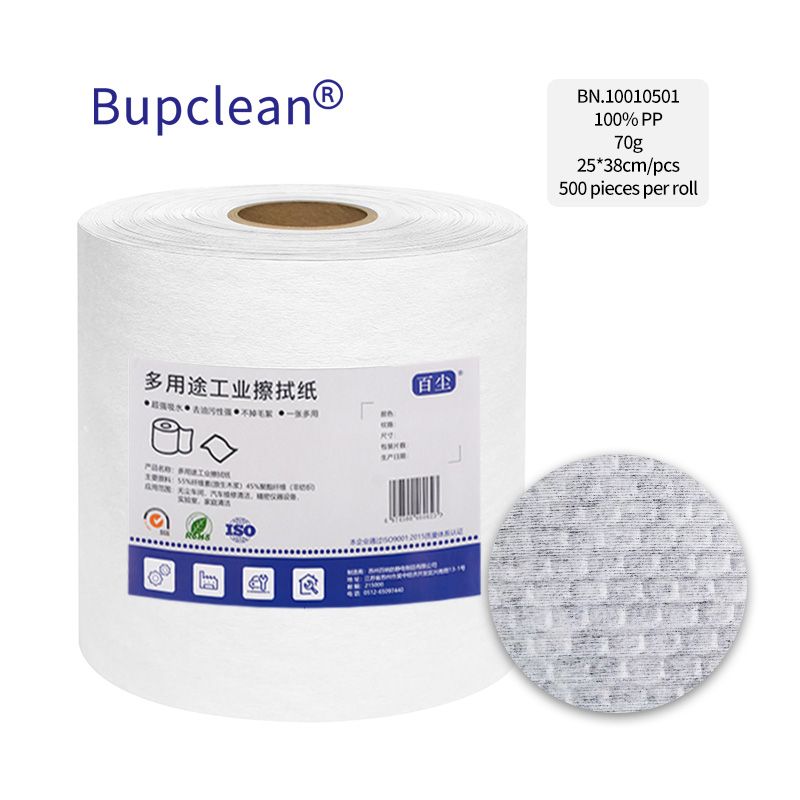
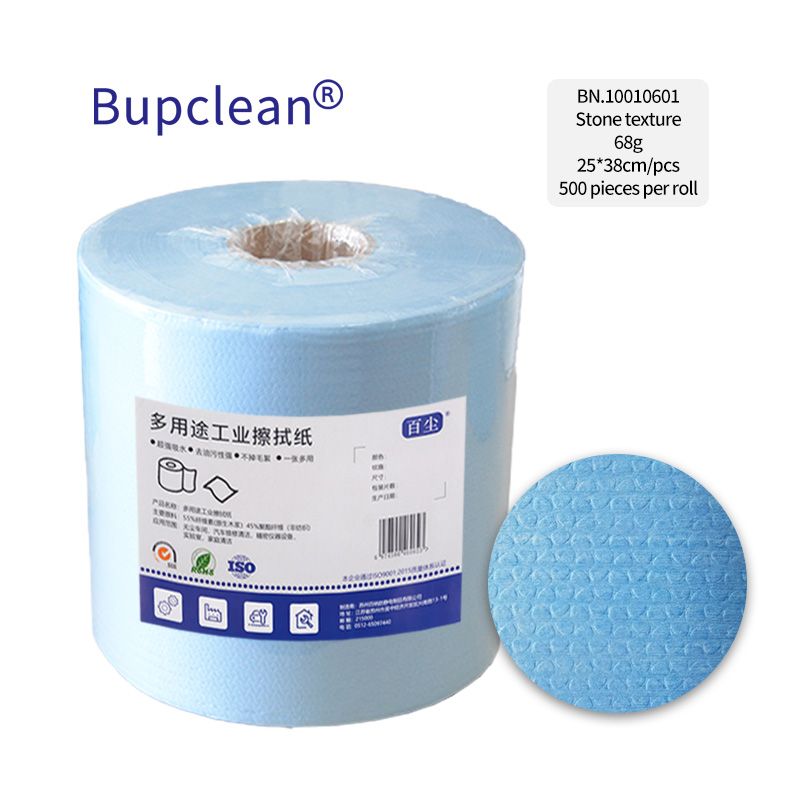
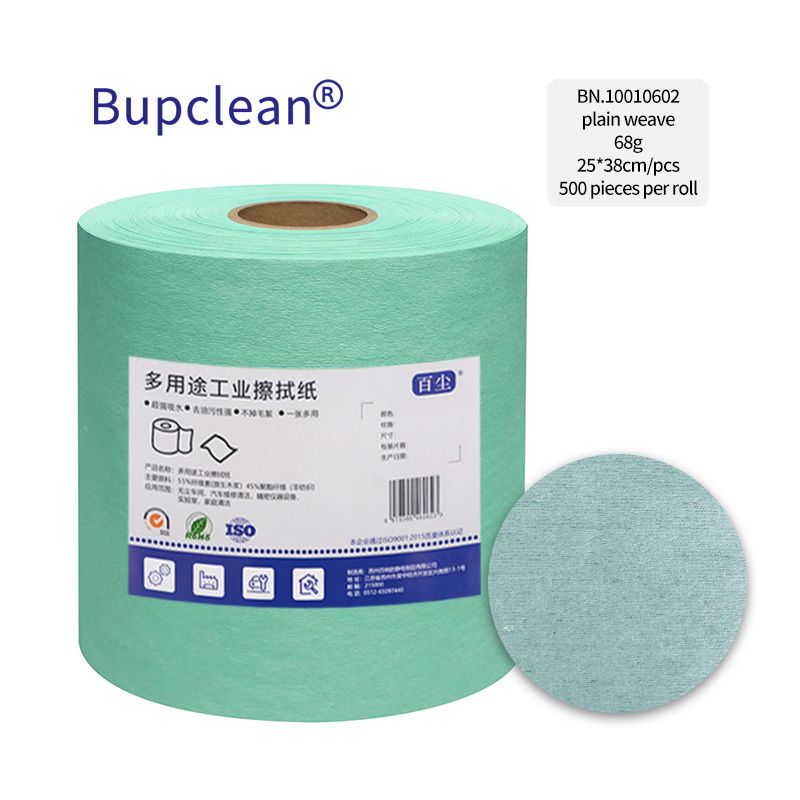
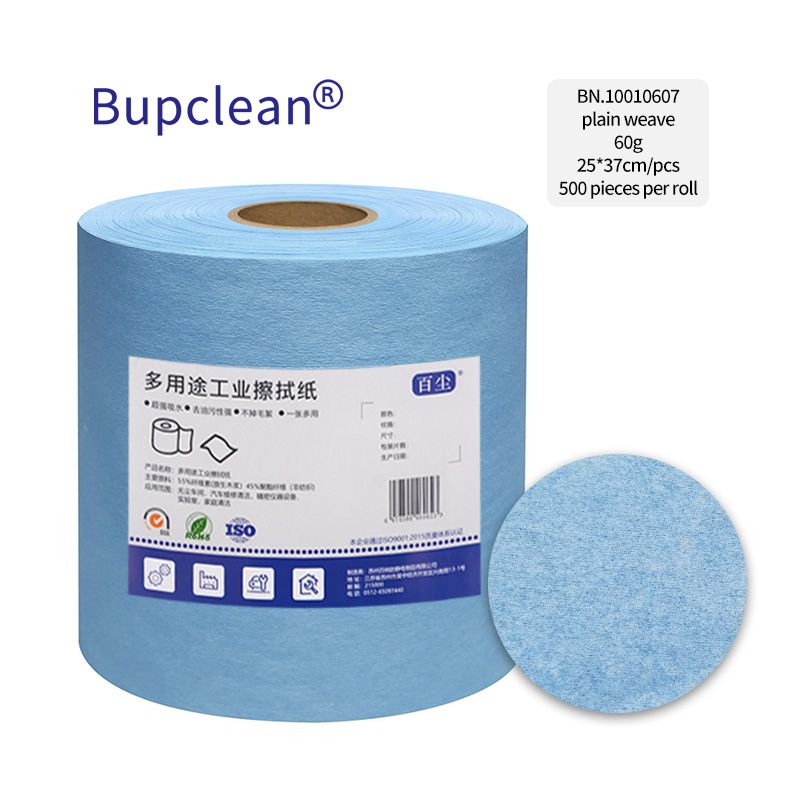
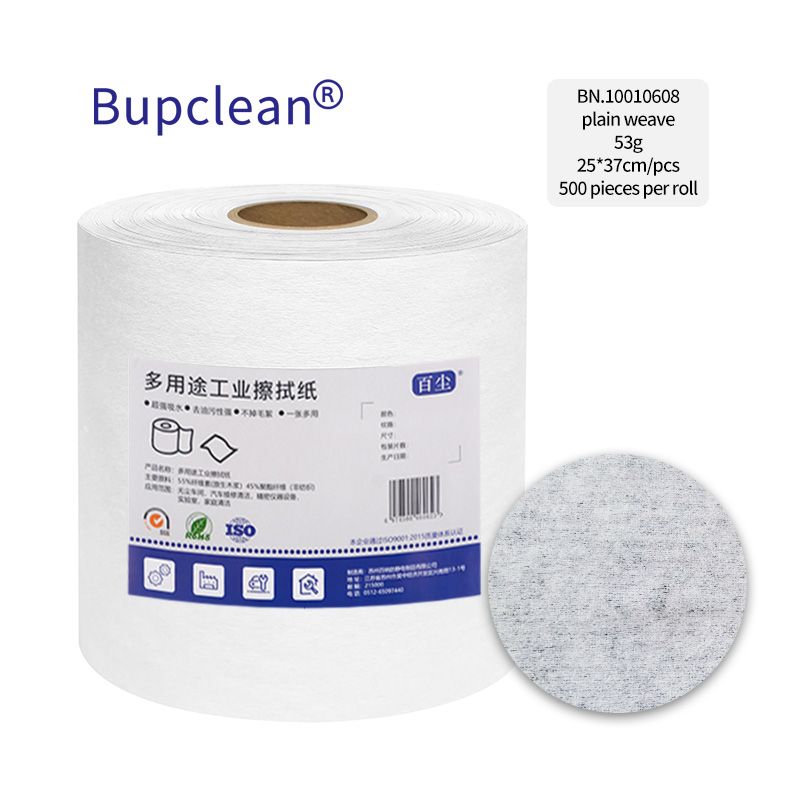
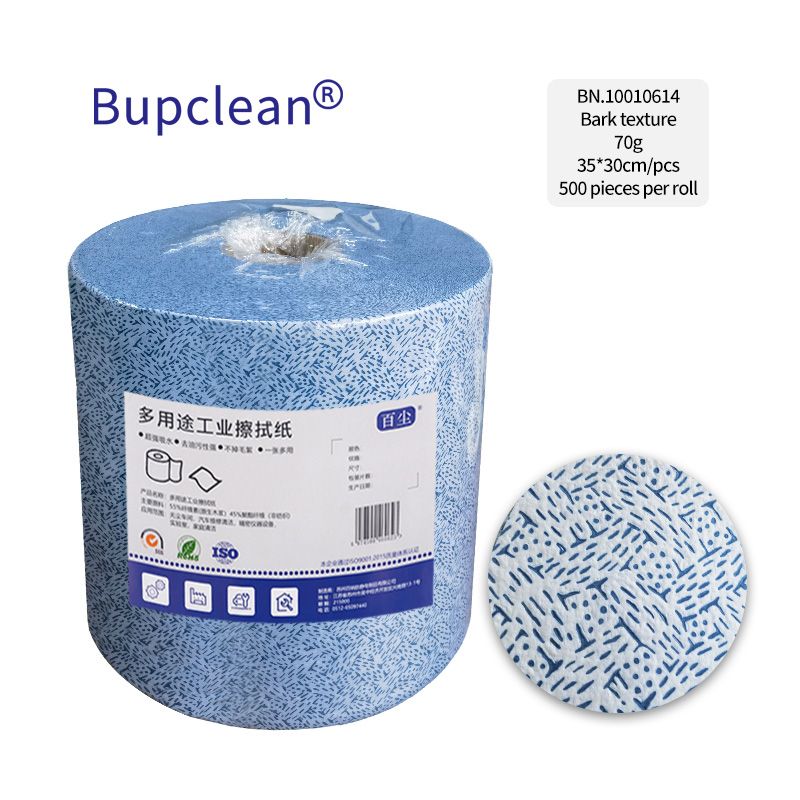
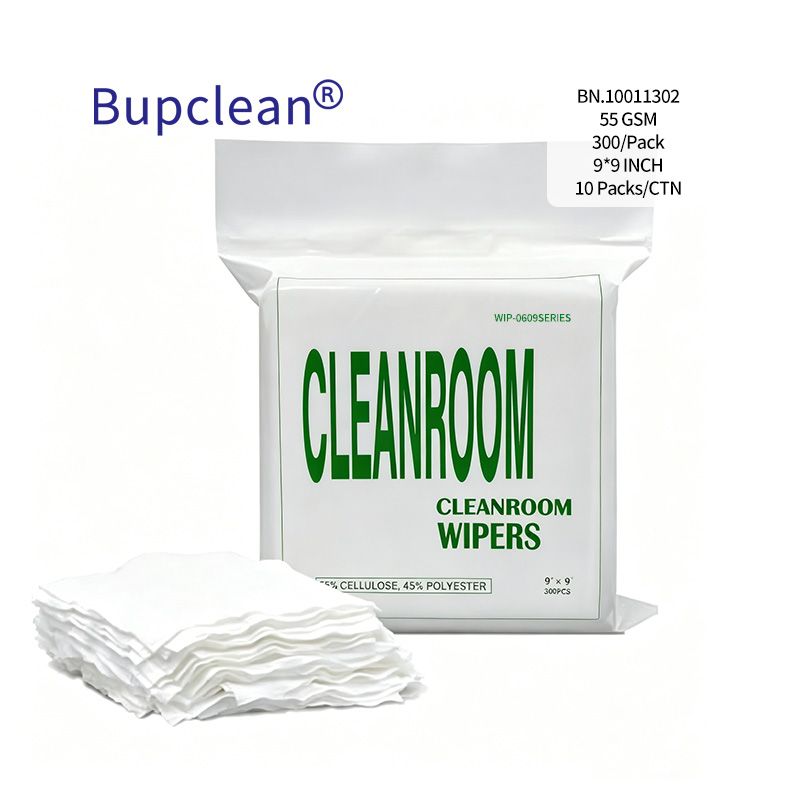
Cleanroom supplies ? Get a quote now!
Please submit your specific requirements, and we will provide you with tailored, cost-effective product solutions and a quotation.
Spotless, precise protection
Scenario: Cleaning large glass substrates (up to 2.5m x 2.2m or larger for Gen 8.5 lines and above) before and after critical processes such as coating (ITO, metal circuitry), photolithography, and etching.
Using ultra-large, ultra-low dust-emission knitted cleanroom wipes, typically in conjunction with high-purity DI (deionized water) and megasonic cleaning equipment, for roller or flat wiping. The cloth must possess excellent liquid absorption and dust-locking capabilities.
In the cutting, release, and lamination processes of flexible optical films such as polarizers, brightness enhancement films, and quantum dot films, microfiber nonwoven fabric or specially treated soft knitted fabric with permanent antistatic (ESD) properties is used. This allows for the gentle removal of particles and foreign matter from the lamination surface by dry wiping or wiping with a very small amount of solvent, preventing bubbles or bright spots after lamination.
Clean the precision metal masks used for OLED pixel deposition, as well as the substrates before encapsulation.
Use ultra-high cleanliness, silicone-free and free of any volatiles (extremely low LPC/NVR) cleanroom wipes, along with specialized cleaning solvents. Typically, a Class 1 (ISO Class 1) or higher cleanliness standard is required, and the operation must be performed in a Class 100 or better cleanroom.
Clean the ITO sensor pattern, the ink screen printing area of the cover glass, and the final product.
Use lint-free cloths with low chemical residue and good solvent compatibility. For wiping the finished product, pre-wetted lint-free paper with internally encapsulated high-purity isopropanol or other solvents is often used to ensure cleanliness and consistency with each wipe and avoid secondary contamination.
Polyester microfiber knitted fabric is preferred due to its fine, soft fibers and strong dust-locking ability; or high-grade spunlace nonwoven fabric. Precise laser edge sealing is essential to prevent fiber shedding at the edges.
The product itself must have extremely low levels of leached particles and ions, typically meeting Class 10 (ISO Class 3) to Class 1 standards. Non-volatile residue (NVR) and liquid particle (LPC) counts must be strictly controlled to prevent chemical contaminants from forming stubborn “fingerprints” or haze on the screen surface. It must possess permanent antistatic properties, with a surface resistivity typically between 10^6 and 10^9 Ω/sq, effectively preventing the adsorption of particles from the environment.
Packaging and Delivery: Production and packaging must be carried out in a Class 1000 or higher cleanroom, using vacuum or nitrogen packaging, and unpacking and use must be done in a cleanroom.
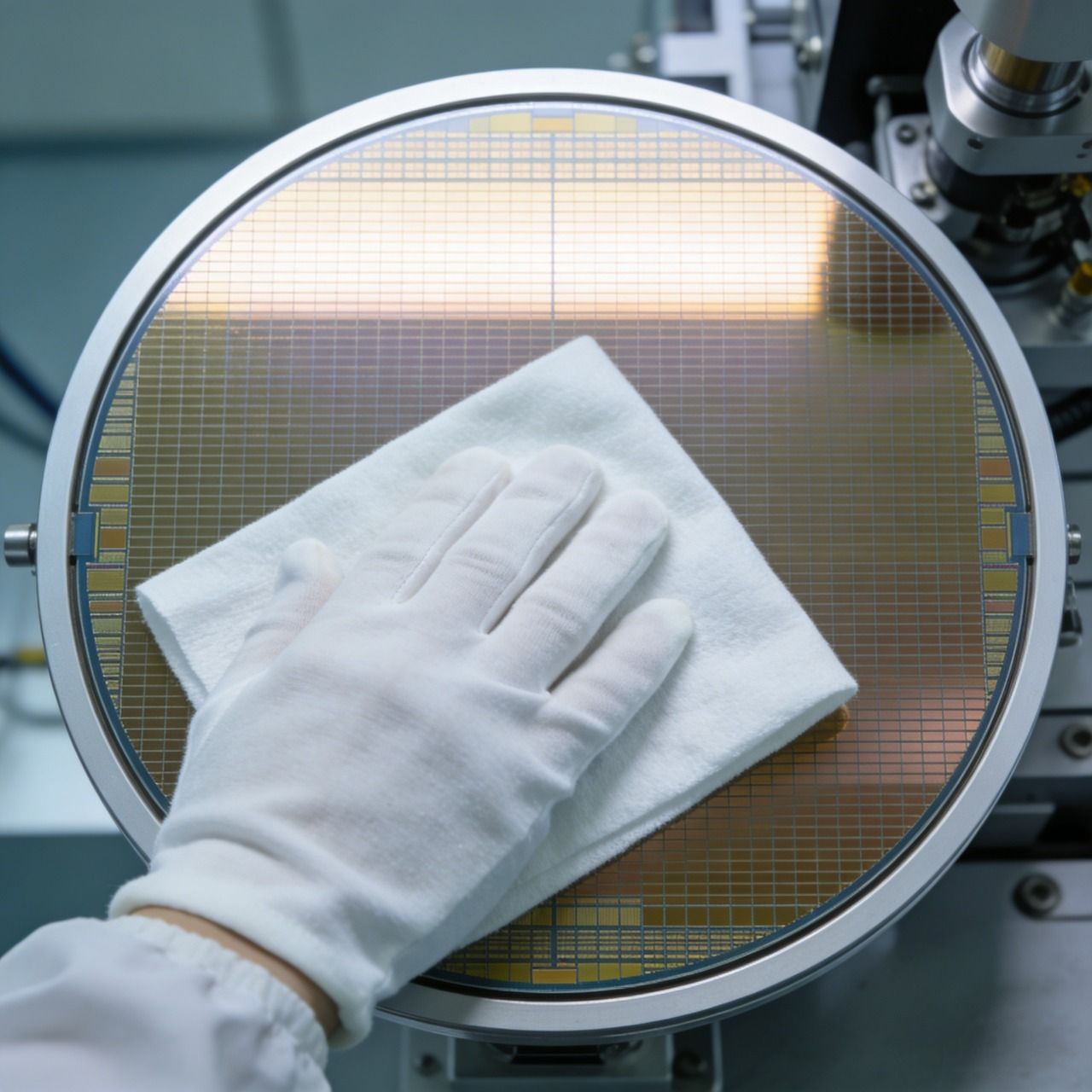
More than just a supplier, we are a strategic enabler for your cleanroom business.
Blog
Email: miki.jin@baina5168.com
WhatsApp: +86-13405012521
- Microfiber to specialty fabrics, laser/ultrasonic edge sealing → zero shedding, high cleanliness. Perfect for optics & semiconductors.
- High absorption, chemical resistance, durable wiping. Customizable by weight, size & packaging for any production stage.
Industry Resources: